Building a website can feel overwhelming. Where do you start? What pages do you really need? In this guide, we'll break down the 10 essential pages that every small business website should include. These pages work together to build credibility, answer customer questions, and drive conversions.
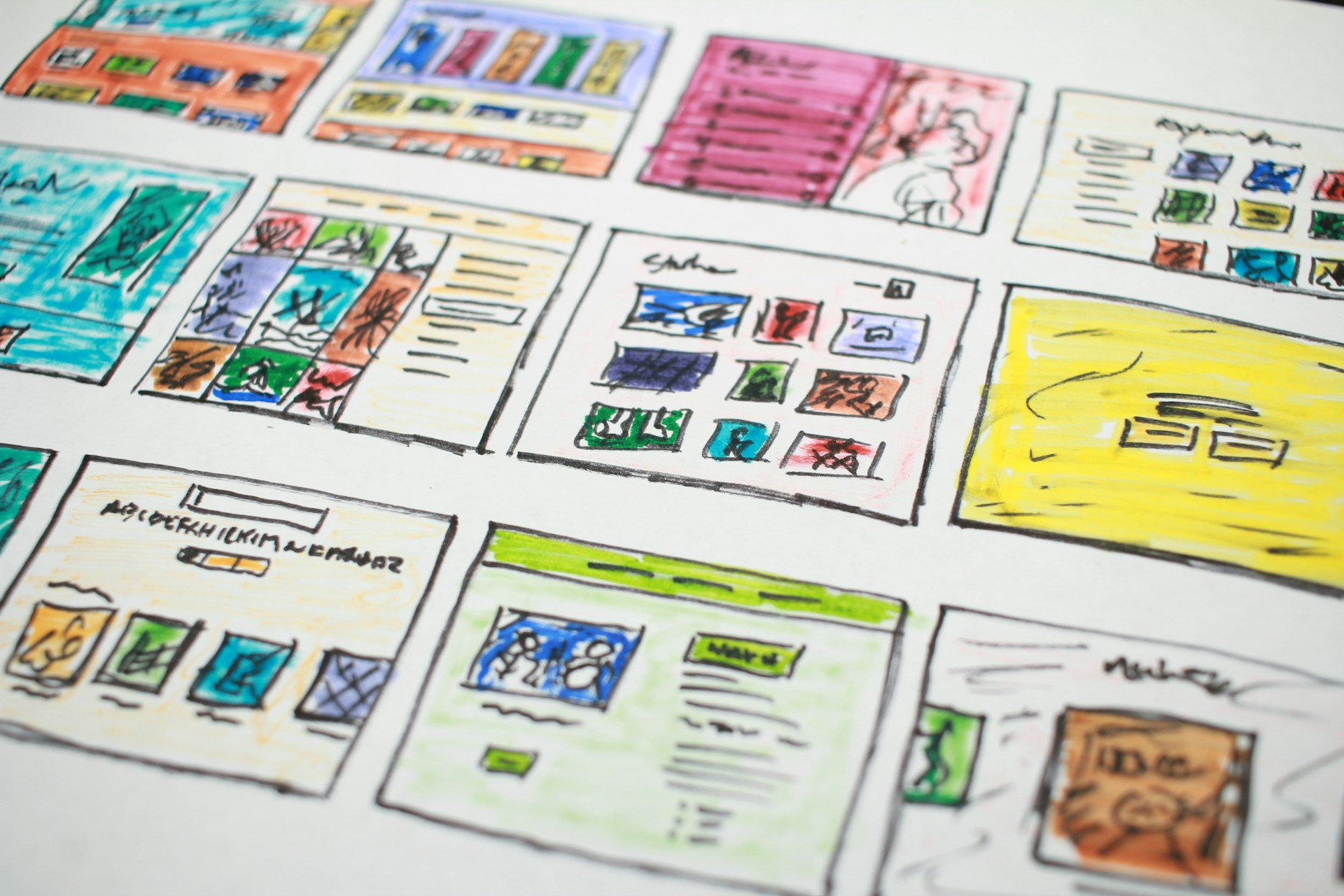
The 10 Essential Pages
1. Home Page
Your homepage is your digital front door. It's the first impression visitors have of your business. A good homepage should:
- Clearly state what you do in 5 seconds or less
- Highlight your key benefits and what makes you different
- Include a clear call-to-action (e.g., "Get Started", "Contact Us")
- Build trust with testimonials or credentials
2. About Page
People buy from businesses they trust. An About page tells your story–who you are, why you exist, and why customers should care. Include:
- Your company's mission and values
- A brief history of how you started
- Team members and their expertise
- Why you're passionate about what you do
Pro tip: Make it personal. People connect with people, not just logos.
3. Services/Products Page
This is where you explain what you offer in detail. For each service or product:
- Explain the benefit, not just the feature
- Include pricing (transparency builds trust)
- Show who it's for (target audience)
- Include a call-to-action
4. Pricing Page
Many businesses hide their pricing. Big mistake. A clear pricing page:
- Increases trust and transparency
- Filters out price-conscious browsers (so you only get qualified leads)
- Reduces inquiry emails asking "how much does it cost?"
- Speeds up the decision-making process
5. Contact Page
Make it easy for customers to reach you. Your contact page should include:
- A contact form
- Phone number
- Email address
- Business address (if you have a physical location)
- Multiple ways to contact you (phone, email, WhatsApp, etc.)
6. Blog / Resources Page
A blog helps with:
- SEO – fresh content helps Google rank you higher
- Authority – position yourself as an expert in your field
- Organic traffic – rank for questions your customers are asking
- Customer education – help people solve problems
You don't need to blog daily. Even 1-2 posts per month makes a difference.
7. Testimonials / Case Studies Page
Social proof is incredibly powerful. A dedicated page for testimonials and case studies shows:
- Real results from real customers
- Proof that you deliver on your promises
- Specific examples of problems you've solved
Include customer names, photos, and the exact results they achieved.
8. FAQ (Frequently Asked Questions) Page
An FAQ page answers the most common questions customers have, which:
- Reduces inquiry emails
- Builds confidence in potential customers
- Improves your SEO (FAQs are great for search rankings)
9. Privacy Policy & Terms of Service
These pages might seem boring, but they're crucial:
- Legally required in most countries
- Build trust (shows you take customer data seriously)
- Protect you from liability
Don't skip these. A simple one-page policy is better than nothing.
10. Thank You / Confirmation Page
After a customer completes an action (submits a form, makes a purchase), show them a Thank You page that:
- Confirms their action was successful
- Sets expectations for what happens next
- Provides next steps or links to related content
These 10 pages form the backbone of an effective small business website. They work together to build trust, answer questions, and guide visitors toward making a purchase or inquiry.
Optional Pages to Consider
Depending on your business, you might also want:
- Portfolio / Gallery – If you're visual-based (photographer, designer, etc.)
- Events / News – If you host events or have company news to share
- Team Page – If you want to introduce your staff
- Partners / Clients – If you work with well-known brands
Keep It Simple to Start
You don't need all 10 pages on day one. Start with the essentials:
- Home
- About
- Services
- Contact
- Privacy Policy
Then add the others as you grow.
Getting Started
Building a website with all these pages might sound like a lot of work. That's where we come in. We design and build professional websites that include all these essential pages – with no upfront design cost when you choose one of our hosting plans.